Ingredient guide
The actives dermatologists prescribe most, explained in plain language by our pharmacists — with what to pair, what to avoid, and where to find it on NetPill.
Skin
Salicylic acidAcne · blackheads · oily skin
An oil-soluble exfoliant that gets inside pores and clears blackheads and whiteheads. Start with a 1–2% face wash, then a 2% leave-on if needed. Pairs with niacinamide. Avoid layering with retinoids on the same night at first.
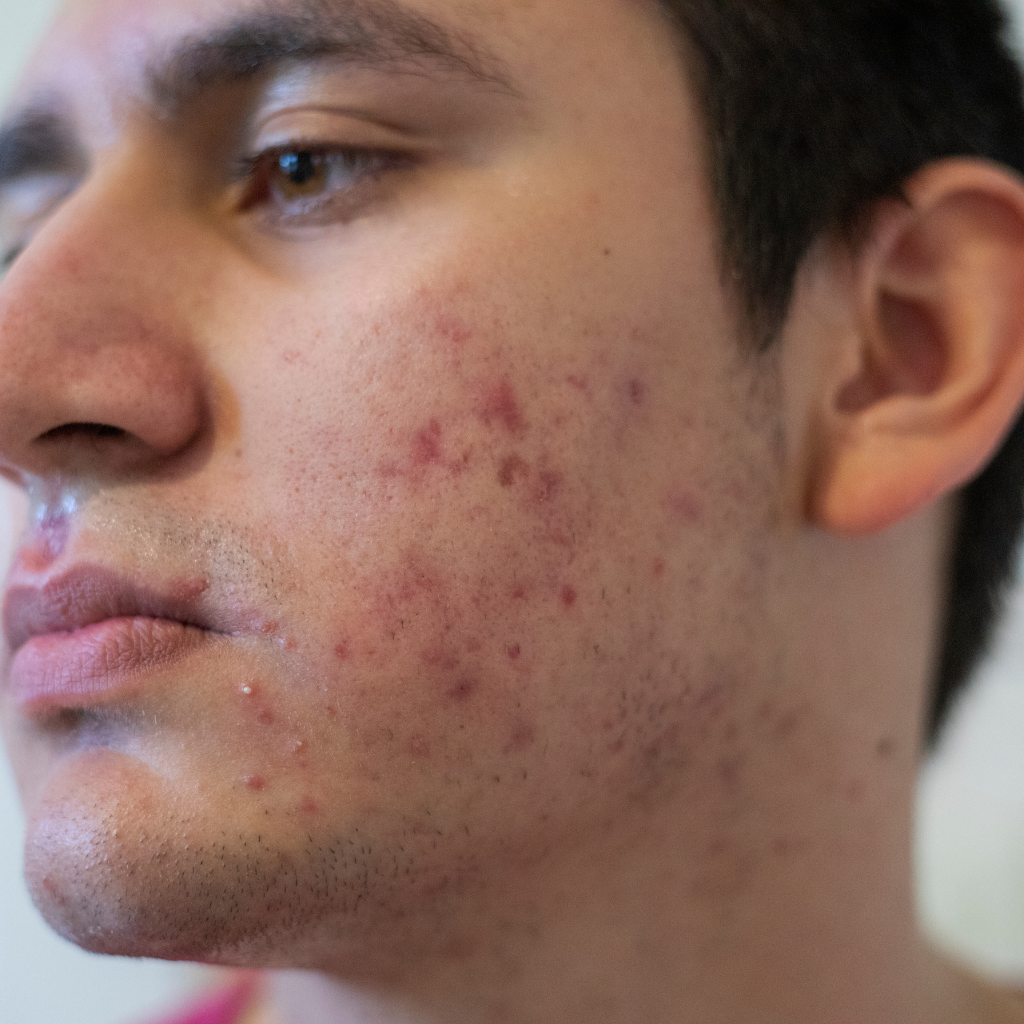
Benzoyl peroxideInflamed acne · red pimples
Kills acne bacteria and reduces redness. Start with 2.5% for 15 minutes as a wash-off, then leave-on. Bleaches fabric — use white towels. Avoid mixing with tretinoin in one application.
Adapalene / tretinoin (retinoids)Acne · marks · fine lines
Vitamin-A derivatives that normalise how skin sheds, clearing comedones and smoothing texture. Start 2–3 nights a week, pea-sized, on dry skin. Always with morning sunscreen. Not in pregnancy. Tretinoin needs a prescription.
NiacinamideOil control · redness · barrier
Vitamin B3. Calms redness, reduces oil, strengthens the barrier and gently brightens. 4–5% is plenty; 10% is not better, just more likely to sting. Pairs with almost everything.
Vitamin C (ascorbic acid)Dullness · dark spots · ageing
Antioxidant that brightens and boosts sunscreen's protection. Use in the morning under SPF. Start with 10%; stable derivatives are gentler for sensitive skin. Keep the bottle closed and dark — brown liquid means it has oxidised.
Kojic acid · arbutin · azelaic acidPigmentation · melasma · post-acne marks
Lightening actives that slow pigment production. Azelaic 10–20% also helps acne and rosacea and is safe in pregnancy. Results need 10–12 weeks and daily sunscreen; without SPF they simply don't work.
Hyaluronic acidHydration · plumping
Holds water in the skin. Apply on damp skin and seal with moisturiser, or it can pull water out in dry air. Suits every skin type.
CeramidesDry · sensitive · eczema-prone
The fats your barrier is made of. Ceramide creams repair dryness and reduce stinging from other actives. Look for ceramides with cholesterol and fatty acids together.
UreaRough, thick, cracked skin
5–10% hydrates and softens; 20–40% dissolves thick, hard skin on heels and elbows. Not for broken skin.
SPF · PA ratingEvery skin type, every day
SPF is UVB (burning) protection; PA+++ or ++++ is UVA (ageing, pigmentation). Use two finger-lengths for face and neck, reapply every 3 hours outdoors. Gel for oily skin, cream for dry, mineral or hybrid for sensitive.
Hair & scalp
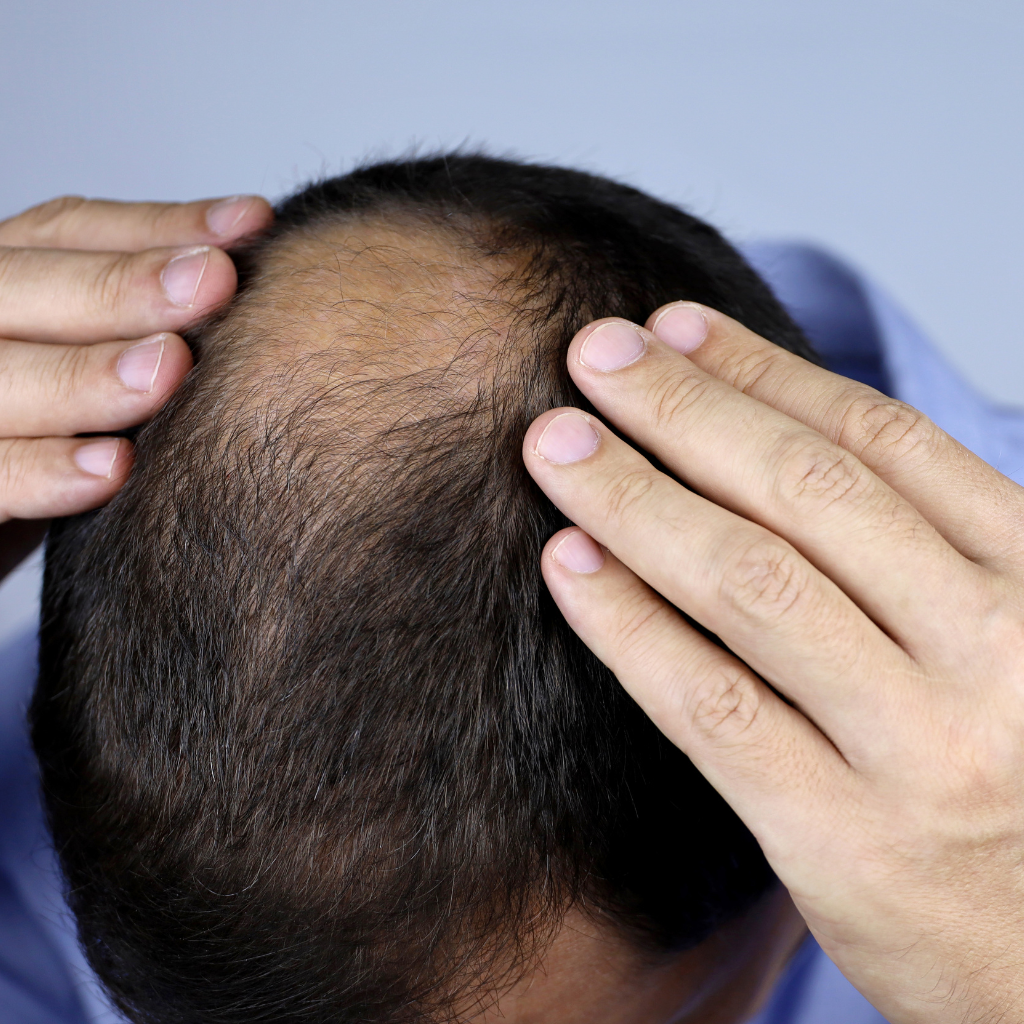
MinoxidilHair fall · thinning
The most proven topical for pattern hair loss. 2% or 5% solution or foam, 1 ml on a dry scalp once or twice daily. Expect extra shedding in weeks 2–6, results by month 4, and continued use to keep them. Ask a pharmacist before using with finasteride.
KetoconazoleDandruff · itchy scalp
Antifungal shampoo that treats the yeast behind dandruff. 2% twice a week, left on for 5 minutes, for 4 weeks; then once a week. Also mildly helps hair fall from an inflamed scalp.
Salicylic acid & coal tar (scalp)Thick flakes · scalp psoriasis
Loosen heavy scale so medicated shampoos can work. Use as directed; coal tar can stain and increases sun sensitivity.
Redensyl · Procapil · Capixyl · biotinEarly thinning · maintenance
Plant-derived peptides and vitamins in leave-on serums that support the growth phase. Gentler than minoxidil, slower, and best as a companion rather than a replacement.
Permethrin · lice-care shampoosHead lice (kids)
Applied as directed and combed through with a fine-tooth comb; repeat after 7 days to catch newly hatched lice. Treat everyone in the house with symptoms on the same day.
Baby
Syndet (soap-free) cleansersNewborn to toddler
Synthetic detergent bars and washes with a skin-friendly pH of 5.5 that don't strip baby skin the way soap does. Short lukewarm baths, then moisturise within three minutes.
Emollients (petrolatum, shea, colloidal oat)Dry · eczema-prone
Seal moisture in and calm itching. Fragrance-free is non-negotiable for babies. Thick creams for patches, lotions for all-over use.
This guide is educational and written by pharmacists; it is not a prescription. Prescription-only actives are dispensed only against a valid prescription. When in doubt, ask us.